People often tend to focus on the tense hours when a liked one is being in jail and the bondsman is working the phones. What occurs on the backside seldom obtains the very same interest. Yet the moment a court pardons a bond is exactly when money, property, and depend on return to where they started. That handoff can be smooth or painful, depending upon paperwork, timing, and just how well everyone comprehends the procedure. I have actually rested throughout kitchen tables where families maintained copies of every invoice in a zipper bag, and I have seen others wait months since a single kind was missing out on a line of initials. The guidelines are not strange, however they are specific.
This guide walks through how security is returned after a bail bond is exonerated, what exoneration actually indicates, the timeline you need to expect, and the useful grabs that can create hold-ups. Legislations differ by state and region, so treat this as a map, not a law. When the information matter, call your attorney, the notary, or the bond representative directly.
What exoneration actually means
A bond is exonerated when the court releases the bail obligation. The bond did its work: assuring the offender's appearance. Exoneration happens at a number of points in a criminal situation. The most typical moments go to sentencing, when a case is disregarded, when fees are gone down, when the defendant is acquitted, or when the court otherwise alleviates the bail requirement. In some territories, exoneration can additionally occur if a defendant is surrendered by the surety and apprehended, though that scenario complicates costs and can change just how collateral is handled.
Exoneration quits the danger the bond business has actually been bring. Up up until that minute, the surety might be responsible for the full bond if the defendant fell short to appear. As soon as the court claims the magic words, the bond is no longer responsible. That lawful shift opens the return of security. It does not, nevertheless, remove made premium, late costs, or sets you back the agency properly sustained under the agreement. Keep those distinctions clear. Security is safety held to cover risk. Premium is the price you pay for the bond. Exoneration launches safety and security; it does not reimburse the cost of the service.
What counts as collateral in bond bonds
Collateral can be as basic as a bank card authorization or as included as an act of count on safeguarding a family members home. Agents select security based upon the bond size, the offender's risk account, creditworthiness, and the company's underwriting policies. Normal kinds include cash money, cashier's checks, money orders, automobiles, real estate liens, jobs of bank accounts, precious jewelry kept in a secure, and third-party assurances. The documents matters. A money invoice is straightforward. A vehicle title calls for a lien videotaped with the DMV. A home calls for a taped act of count on or mortgage lien. The more paperwork included, the longer the loosen up later.
Most territories manage just how bail bond agencies hold and represent security. Money often beings in a trust fund or escrow account separate from running funds. Concrete items get inventoried and saved. Real estate liens are recorded with the region, which indicates they have to be formally released with the same office when the bond is vindicated. Respectable firms document all of this at intake and give you duplicates. If you are missing out on that packet, ask for it. It will be your roadmap when it is time to obtain your home back.
The sequence after exoneration
Think of the return procedure as a chain of confirmations. Each web link activates the following activity, and the slowest web link generally sets the pace.
Court verification. The court gets in an order vindicating the bond. In numerous counties, the clerk produces a minute order the exact same day. In others, it takes a couple of days for the order to be scanned and posted. The clerk's stamp or a licensed copy of the minute order is gold below. It is the primary file the bond agency and the guaranty carrier will rely on.
Agency verification. The bail bond company obtains the exoneration evidence. Some agencies check court dockets and pull orders themselves. Others wait for you or your attorney to bring or email the documents. The firm after that verifies the instance number, defendant name, and bond quantity match their file.
Internal launch. The firm authorizes the launch of collateral. If money remains in a trust account, they prepare a check or set up a digital refund. If a lien exists, they prepare the launch types. If the collateral is held by the guaranty company as opposed to the local agency, the agent sends out a launch request up the chain.
Customer control. You or the security proprietor authorize any type of essential launch types, existing recognition, and validate the preferred method for receiving funds or files. For physical things, an in-person pickup may be required per policy and insurance.
Recording and shipment. Genuine estate, lorry titles, and other tape-recorded liens, the release should be filed with the exact same authority that obtained the original lien. Areas vary on whether the company submits it or hands you a notarized release to submit. The lien remains till the release is recorded and indexed, not just signed.
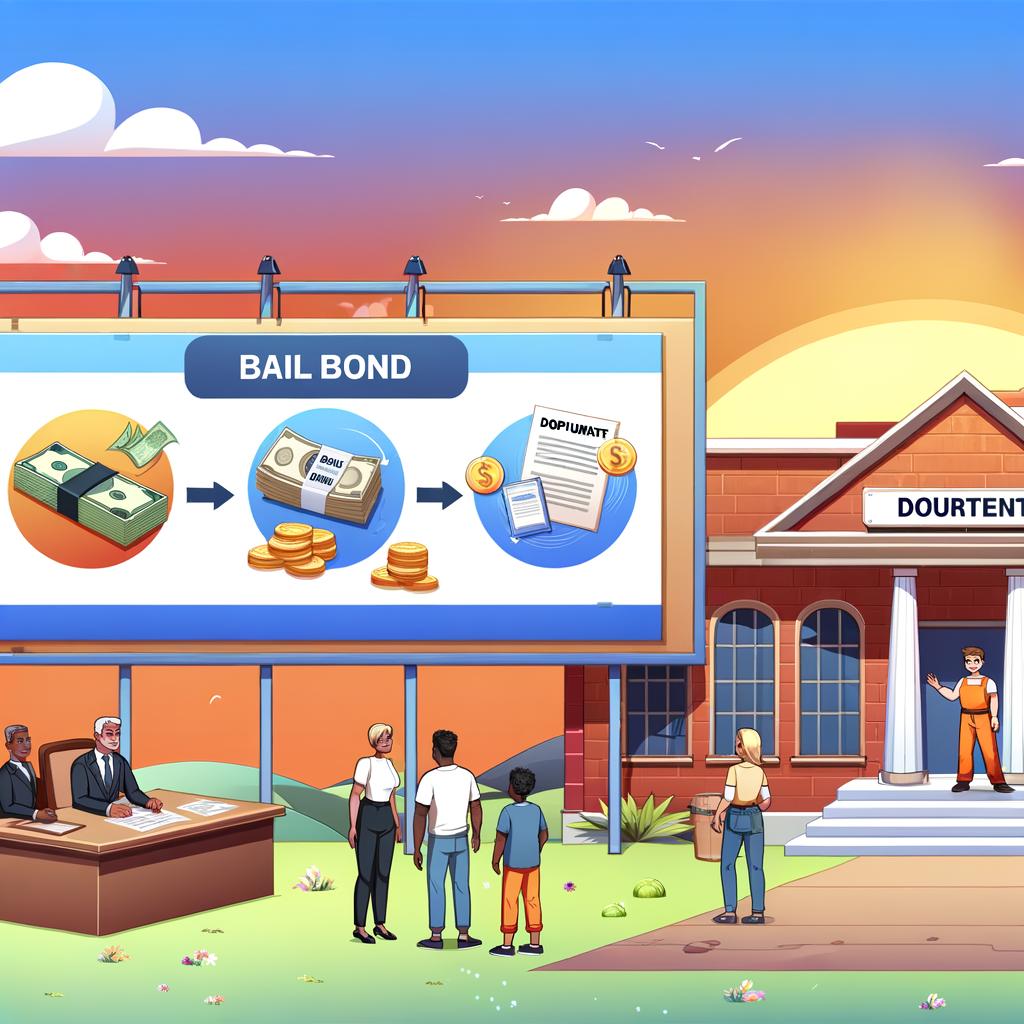
When each party leans into their part, the cycle fasts. When one stage drags, every little thing waits. I have actually had cases where the bond was vindicated on a Friday mid-day and a cashier's check headed out on Monday. I have also seen launches stretch out because a clerk keyed a wrong number in a situation number, which required a new accredited copy prior to the guaranty would certainly approve disbursement.
How long it takes in practice
Time frameworks depend upon the type of security and the territory's administrative speed. In a normal cash money security circumstance, 7 to fourteen business days from exoneration is common. That enables the court order to post, the agency to confirm, and a check https://postheaven.net/claruswyov/bail-bonds-for-theft-and-home-crimes to clear interior controls. Some agencies process quicker, especially if they accept cord instructions and have all files in order.
Physical things stored by the agency can be returned within a day or more of confirmation if somebody can pick them up. Mailing adds days and typically calls for insurance coverage and signature confirmation.
Vehicles and property take longer since recording workplaces introduce a 2nd schedule. Anticipate two to 6 weeks for tape-recorded liens. The agency should prepare and notarize the launch, after that either file it or give it to you to file. Area recorder workplaces can take anywhere from a few days to a month to index and reveal the lien as launched. If a title is digital, the DMV timeline likewise contributes. Prepare for lag and do not set up a sale of the residential or commercial property the week after exoneration unless you have constructed in the clearance time.
Surety-backed bonds often add another layer. Lots of retail bond firms compose under a nationwide guaranty company. In those instances, the local workplace may need the guaranty's back-office approval to launch security above a certain limit. That can add three to ten organization days, relying on the carrier's work and whether the documents is clean.
When premium and fees intersect with collateral
The costs you pay to upload the bond is normally nonrefundable. People often conflate premium with collateral since both involve cash. Maintain them different in your head. Costs is the expense of the bond. Security is safety and security that ought to be returned after exoneration, supplied there is no superior balance.
There are 2 typical exceptions that influence collateral returns. The first is when the offender stops working to show up and the court issues a forfeiture. If the offender is returned within the statutory home window and the court leaves the forfeit, the bond can still be pardoned. Nonetheless, the agent may have sustained prices, like skip mapping, traveling, or a recovery charge. Agreements usually permit the agent to subtract such prices from collateral. The second is when you owe installment premium settlements and went delinquent. A company can apply security to overdue premium if the agreement allows it, however only after the bond responsibility is gotten rid of. Review the agreement you signed at the beginning. If a reduction will be made, require a detailed statement with invoices or billings. Regulators in numerous states call for those records.
What documentation you should accumulate and keep
Over-preparation pays off here. The even more readable, full, and streamlined your records are, the fewer e-mails and callbacks you will certainly require. At minimum, construct a folder that consists of the initial bail bond arrangement, collateral receipt or escrow recommendation, any cyclist or amendment, proof of repayment of premium, contact info for the agency and the guaranty, the qualified minute order or court record revealing exoneration, and recognition for the collateral proprietor. If real estate was used, include the videotaped deed of trust or lien and the area recorder's instrument number. If a lorry was promised, include the title, lien launch type appropriate to your state, and DMV referral numbers.

Courts and agencies both react better to a package of every little thing in one area than to piecemeal demands. I have actually watched a single missing vehicle driver's certificate duplicate delay a cash money return for a week due to the fact that the conformity police officer would not sign off. It was not smallness, it was policy. Assist them examine their boxes.
The agency's interior controls and why they matter
From the outdoors, this procedure can really feel bureaucratic. From the within, controls avoid mistakes and fraudulence. Depend on accounts should reconcile daily or weekly. 2 trademarks might be needed to release funds over a collection quantity. Identity needs to be confirmed to prevent launching property to the wrong individual. Releases should reference the specific instance number and bond amount to match the surety's journal. These steps minimize threat for every person, including you. If a dishonest worker could clear the security cabinet with a telephone call and a nod, the industry would not function.
Because of those controls, companies normally prefer to return money similarly it showed up. Money collateral paid through cashier's check frequently returns as a firm check or through the exact same financial institution. Wire returns go only to a verified account in the name of the collateral owner. Avoid rushing these steps. I as soon as dealt with a client that altered financial institutions between publishing and exoneration and requested a wire to a new account, without any documentation. The company took three added days to validate ownership. It was troublesome, yet it was also the appropriate call.
Edge instances that transform the calculus
Not every bond finishes in a cool exoneration at sentencing. A couple of side cases are worth identifying early.
If the offender is given up by the surety before case resolution, the bond can be exonerated when the accused is remanded, but the abandonment fees, transportation prices, and any kind of overdue costs can be deducted. Households are in some cases shocked to learn that a volunteer surrender conjured up by a co-signer can carry actual prices. Agencies have to pay recovery agents and court costs. Check out surrender conditions carefully.
If a forfeit is entered and later on left, the court might analyze prices versus the guaranty, such as management penalties or a portion payment. Some contracts pass a portion of those prices to the indemnitors. That can lower the collateral returned, depending upon neighborhood law and the arrangement's phrasing. Constantly ask for documents of any type of court-assessed costs.
If several bonds were posted throughout related cases, exoneration on one situation does not always launch collateral held to protect the others. Excellent firms different files, however I have actually seen files packed. Clear up with the representative which bond each item of security secures.
If an accused is rearrested on a brand-new instance while out on the original bond, exoneration on the initial case may set off a reassessment. The agent may call for additional security for the 2nd case or might use the existing collateral to both, which complicates the release later. Maintain lines intense and documented.
If the security proprietor passes away, the launch has to go to the estate or the person legitimately qualified to the home. That calls for probate files or small-estate sworn statements. Develop time into your expectations if any proprietor's standing has changed.
Practical sequencing for real home liens
Real building security creates the most inquiries since the stakes are higher and the documentation is denser. Here is a practical series I provide to customers so they can track development without guesswork.
- Ask the agency for the precise name of the lien instrument and its recording referral, after that demand, in writing, a prepared and notarized launch that notes the exact same grantor, lawful summary, and tool number. Confirm that will certainly tape-record the release. If the agency files it, request proof of submission and a duplicate when taped. If you should submit it, get the county's current recording cost and format requirements to avoid rejection. After recording, get in touch with the area's on the internet index or see the recorder's workplace to validate the launch has actually been imaged and connected to the initial lien. If you intend to refinance or market soon, provide your title business both files. Title officers clear liens faster when they see the launch already recorded.
That short list has maintained more than one deal on track. It additionally discloses how hold-ups sneak in. A release authorized yet never recorded is not a release whatsoever in the eyes of a title examiner.
Communication that avoids friction
Most rubbing originates from mismatched presumptions. The family members anticipates cash back in two days since the court said "bond pardoned," the company anticipates two weeks since their audit cycle works on Fridays, and the surety takes a conservative sight throughout states. Close the space with certain concerns. Ask the agent whether they keep track of court dockets or need you to provide the exoneration. Ask how the reimbursement will certainly be made, on what day of the week checks are cut, and what files are still needed. Request for one factor of call in composing. Created timelines beat vague guarantees every time.
If something slips, intensify systematically. Begin with the handling agent, then their manager, then the surety's customer service team if required. If you think a firm is poorly holding back collateral, your state's insurance or bail regulatory authority is the following stop. Maintain your tone calmness and your documents clean. Regulators respond to arranged complaints with days, names, and copies.
How Bail Bonds agencies think about threat and reputation
Good bail bond firms reside on referrals and track records. Returning collateral rapidly is good company. The very best agencies integrate the return process to make sure that pardoned data cause notifies, not sticky notes. They know that a family that obtains their money back without a chase informs their pals, and a household that needs to call three times calls the state instead.
On the danger side, firms take care not to launch ahead of time. Sometimes a judge exonerates a bond in the early morning yet later that day recalls the defendant for a remand on a different count. Or a clerk uploads the wrong minute order. Credible agents await authorities, validated documents. They prefer to have an aggravated customer for a day than a $50,000 exposure since they sent out a wire on an incorrect entry. If you understand that stabilizing act, the rhythm of their procedure makes sense.
Taxes, passion, and the myth of making on your collateral
One of the persistent misconceptions is that bail agencies earn interest on your money collateral and maintain it. In a lot of controlled markets, companies should hold customer funds in set apart accounts that do not combine with operating funding. Any interest that accumulates belongs to the customer, or the account is structured to avoid rate of interest completely. The specifics depend upon state policies and the bank's products. Do not expect a material interest settlement on short holds. The quantities and amount of time hardly ever produce more than a couple of dollars, and management policies usually prevent interest-bearing accounts for security because of examine intricacy. If interest is a worry, ask the company at consumption just how collateral is held and whether any kind of passion is credited.
As for taxes, returning your own money or home is not revenue. There is no taxed event in simply getting security back. If home values while it was overloaded and you sell it later, that is a different tax conversation unconnected to the lien release.
When the defendant owes the court
Separate court responsibilities can delay security indirectly. If a case ends with fines, restitution, or charges, the court may require repayment at sentencing. Some courts hold a portion of uploaded money bond for penalties. That is different from the bail bond procedure with a guaranty, where the court never ever holds your collateral directly. But it prevails for family members to conflate both when both settlements are due around the exact same time. A bondsman can not and ought to not release collateral based on assurances that court fines will be paid. They respond only to exoneration of the bond and the status of the agency's very own account with you. Keep those lanes different so no one anticipates the impossible.
Realistic assumptions and a straightforward plan
Even in the cleanest cases, the return of security is not immediate. You can cut the waiting and concern by managing what you can.
- Before publishing, ask the company just how they return collateral, common timelines by collateral type, and what records they will certainly need at the end. Get the answers in writing. Keep a solitary, dated documents with every receipt, agreement, and court notification. Add the exoneration order the day you receive it. Notify the agency of any kind of adjustment in address, bank, or ownership of the security promptly, and be prepared to supply proof. If a lien will be released, schedule a follow-up with the recorder or DMV 2 weeks after submission to confirm indexing.
Those little steps lower surprises. They likewise offer you utilize if a target date slips, because you can point to clear commitments and finished prerequisites.
A brief narrative about doing it right
A granny uploaded a $10,000 bond for her grand son with a $5,000 cash money security and a lien on her paid-off sedan. The case wrapped in three months with a termination. The family members had actually maintained every paper in a plastic sleeve, consisting of the initial lien notice and the company's checklist of return demands. On the day of exoneration, the public defender handed them a licensed minute order at the courthouse. They checked it to the representative from their phone in the corridor. The representative confirmed it versus the data, asked for internal authorization that afternoon, and set up a check for the next check work on Thursday. The lien launch required a DMV consultation, which they booked online for the following week. By the next Friday, cash remained in the grandmother's account, and the DMV had actually refined the title. Overall time from exoneration to full launch: nine service days. Absolutely nothing magical took place, simply a limited loop and clear documents.
When to generate counsel
Most security returns do not require an attorney. If something really feels off, an hour with guidance can pay for itself. Scenarios that validate lawful aid consist of a firm declining to return collateral without a valid reason after exoneration, a dispute over deductions that exceeds a small amount relative to the bond, a tape-recorded lien that will unclear due to a documentation mistake the agency will not take care of, or a multi-case tangle where security safeguards more than one bond and top priorities need sorting. A brief demand letter referencing the exoneration and the agreement tends to relocate stubborn files.
Final thoughts based in practice
Exoneration is a lawful occasion, yet the return of security is an administrative procedure. The regulation opens the door, then individuals and documents walk through it. If you know who holds the secrets and what they need, you shorten the range between a court's order and your residential or commercial property back in your hands. Keep records tight. Communicate particularly. Respect the agency's controls while demanding a clear timeline. With that said method, even a big lien can loosen up cleanly after a bond is pardoned, and you can place the entire episode in the rearview where it belongs.